Healthcare: Staff Training for Unstable Patients
Healthcare personnel need realistic and easy-to-access mental-health scenario training that fits into a busy workday and doesn't require advanced equipment.
Details
- Role
- UX Designer
- Type
- Semester Project
- Year
- 2025
- Tools
- Figma
How I worked
Groundwork
Training that fits into a busy workday
Healthcare workers dealing with patients in mental health crises need realistic, scenario-based training. But existing options require advanced equipment and extended time - neither of which busy staff can reliably access. The challenge was to make meaningful training available without those constraints.
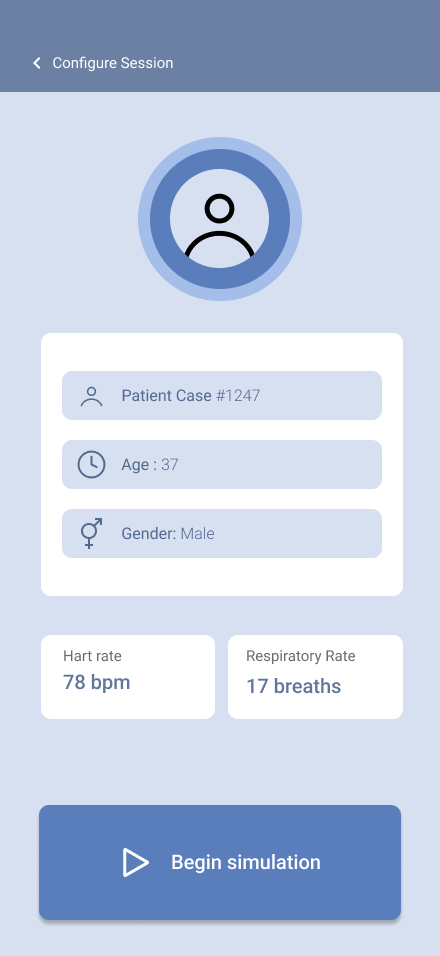
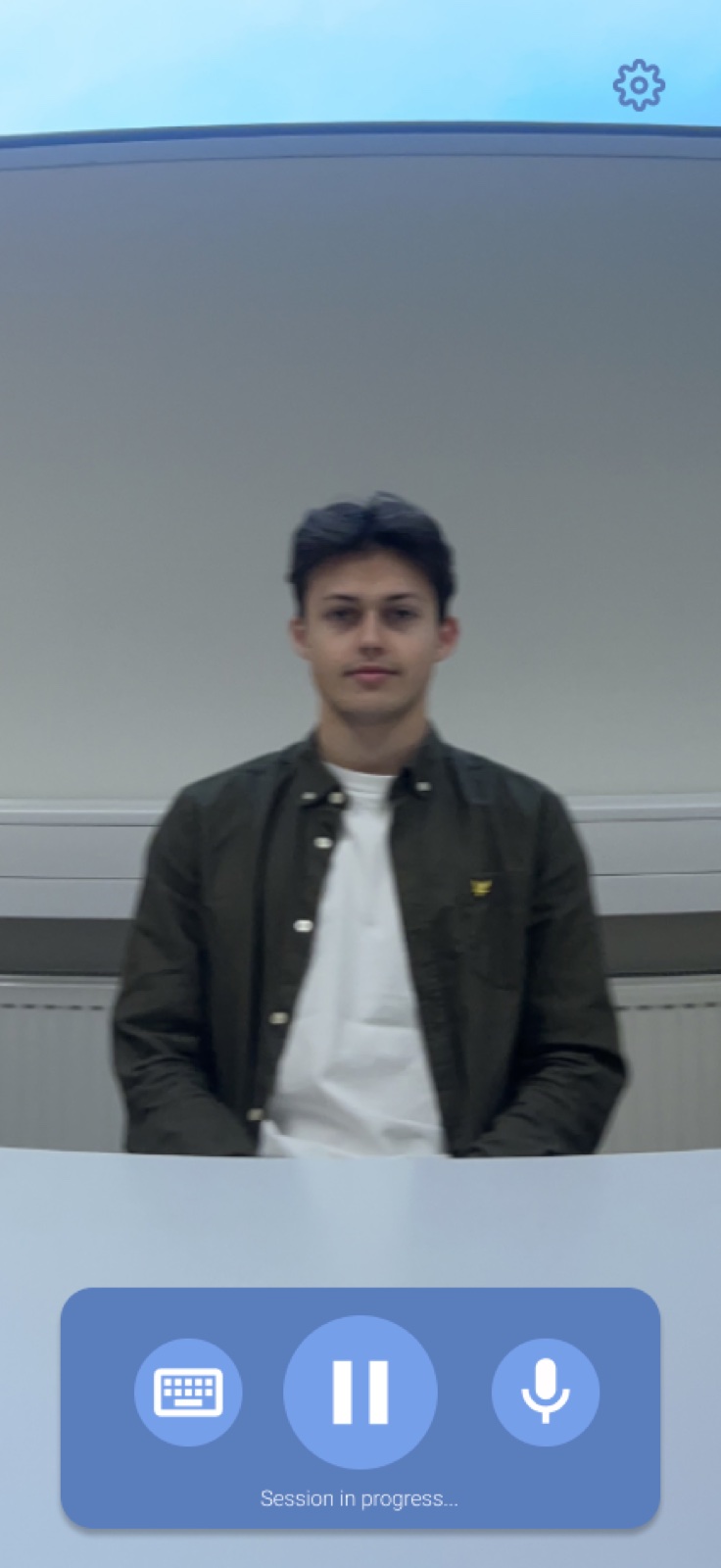
Insight from desk research and interviews with nurses and healthcare workers showed clear gaps: limited time for learning, low access to advanced tech, and a lack of hands-on scenario practice. This guided the decision to use mobile AR instead of VR - accessible, equipment-free, usable during short breaks.
Design
Short scenarios, simple navigation, clear feedback
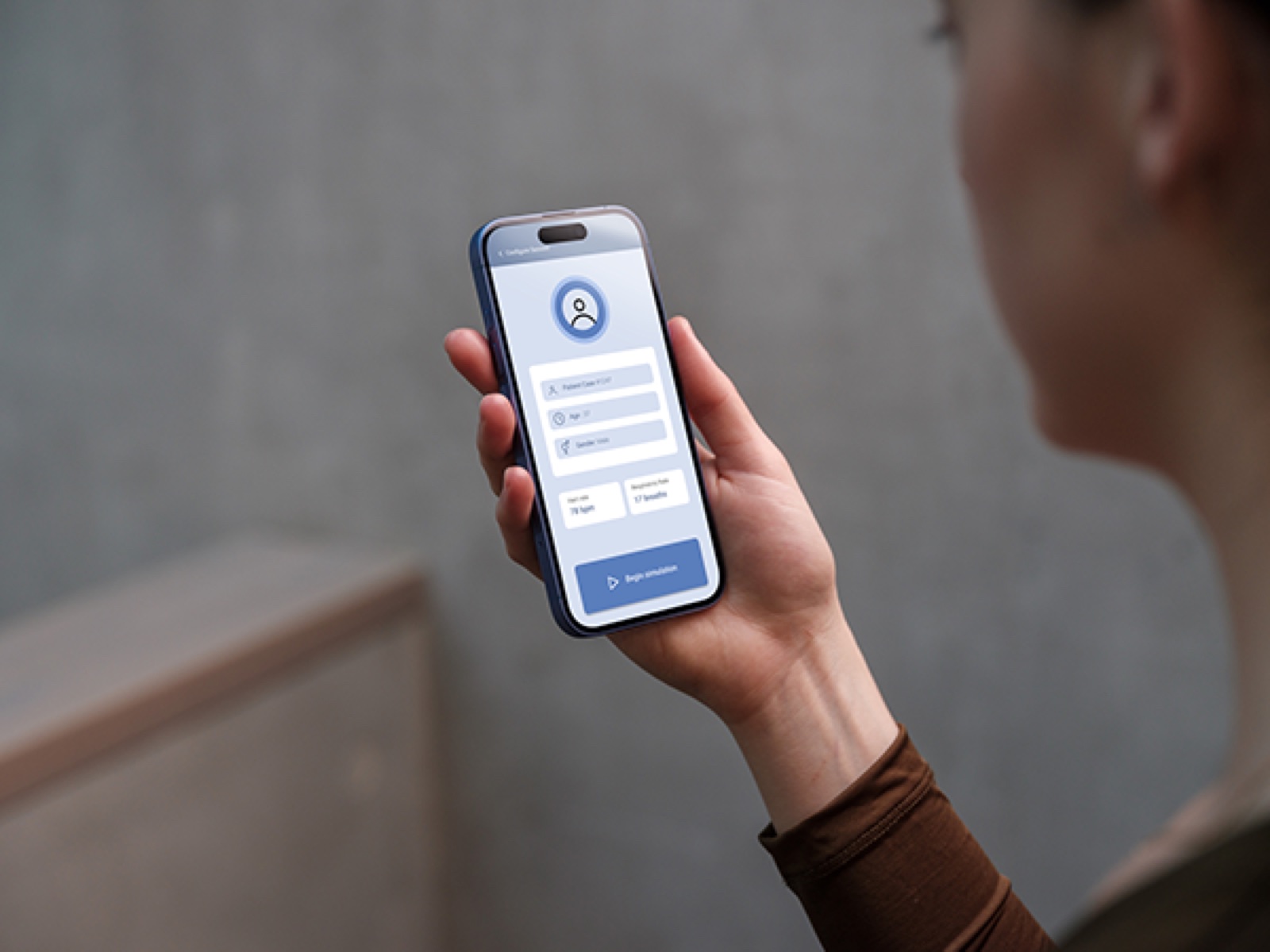
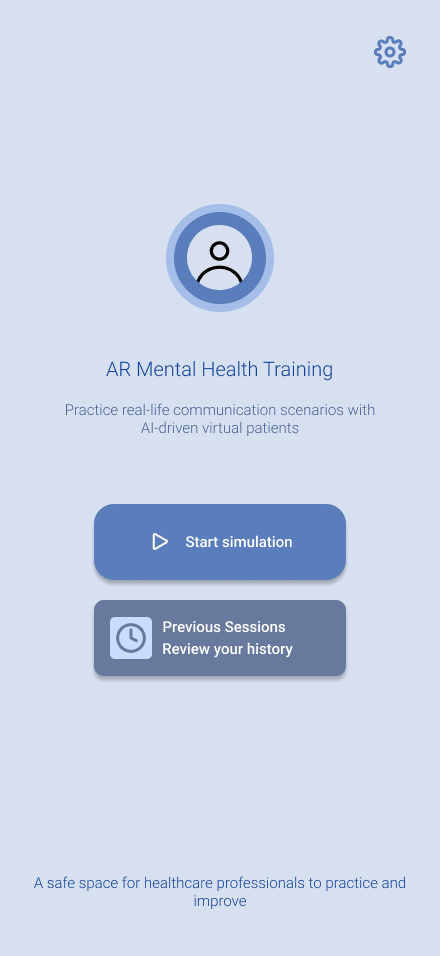
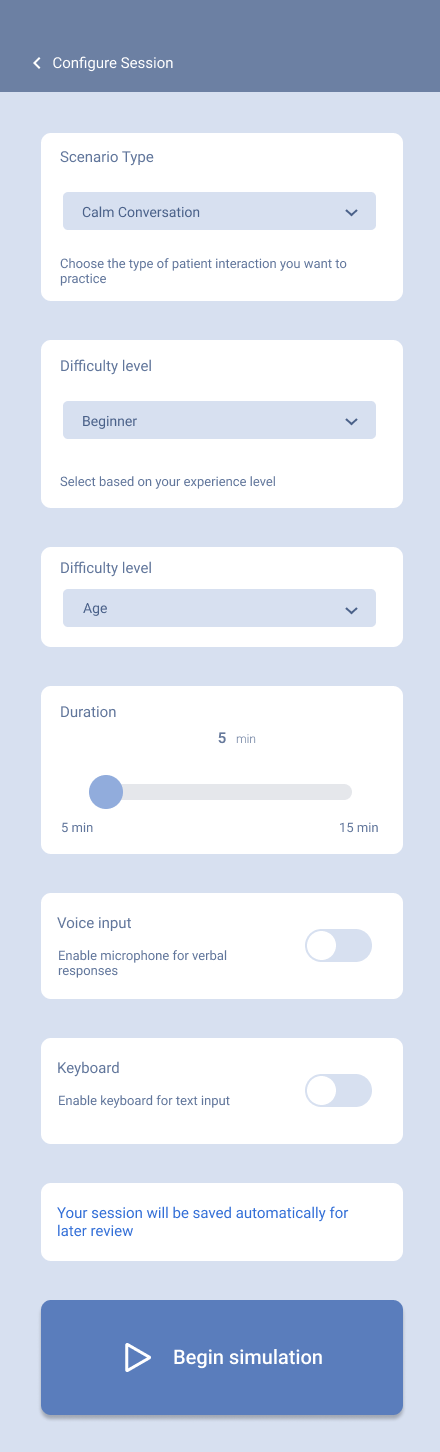
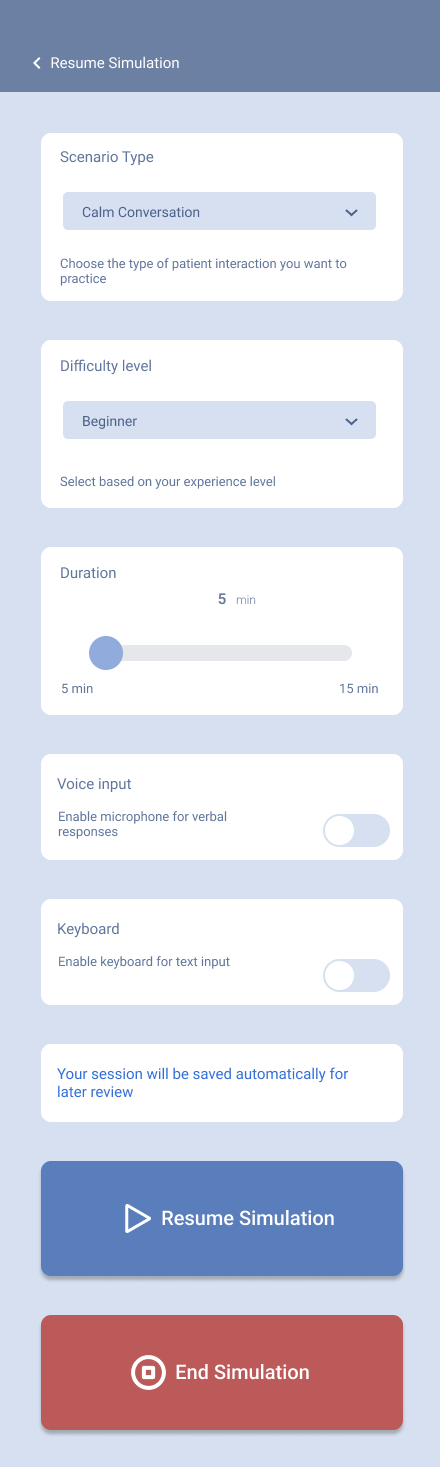
Low- and high-fidelity prototypes were developed in Figma to explore structure, navigation, and scenario flow. Testing with nurses and healthcare workers confirmed what the research suggested: short scenarios, simple navigation, and clear feedback were non-negotiable. Every screen was designed with that in mind.
Outcome
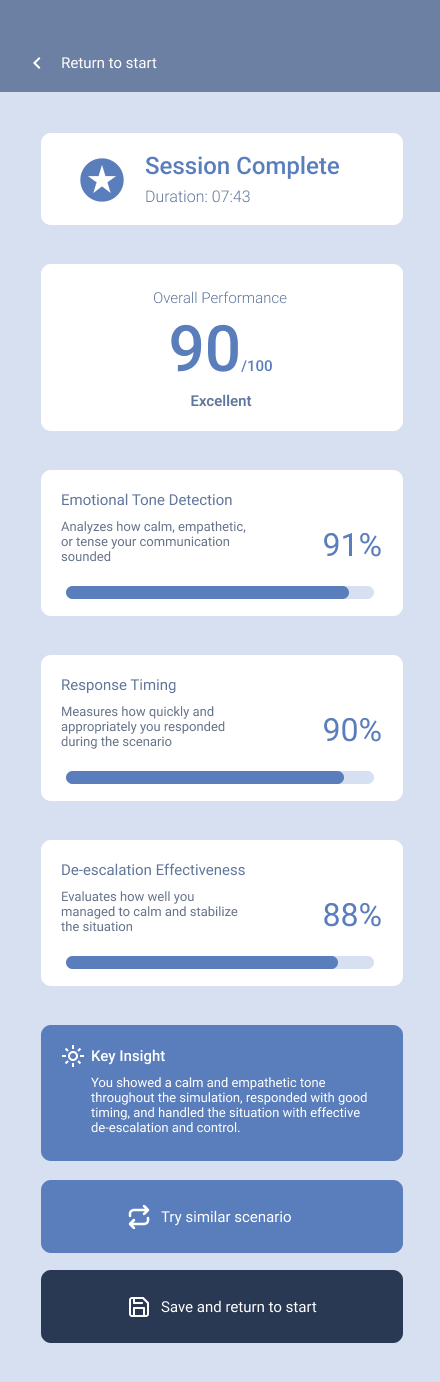
Progress tracking closes the loop
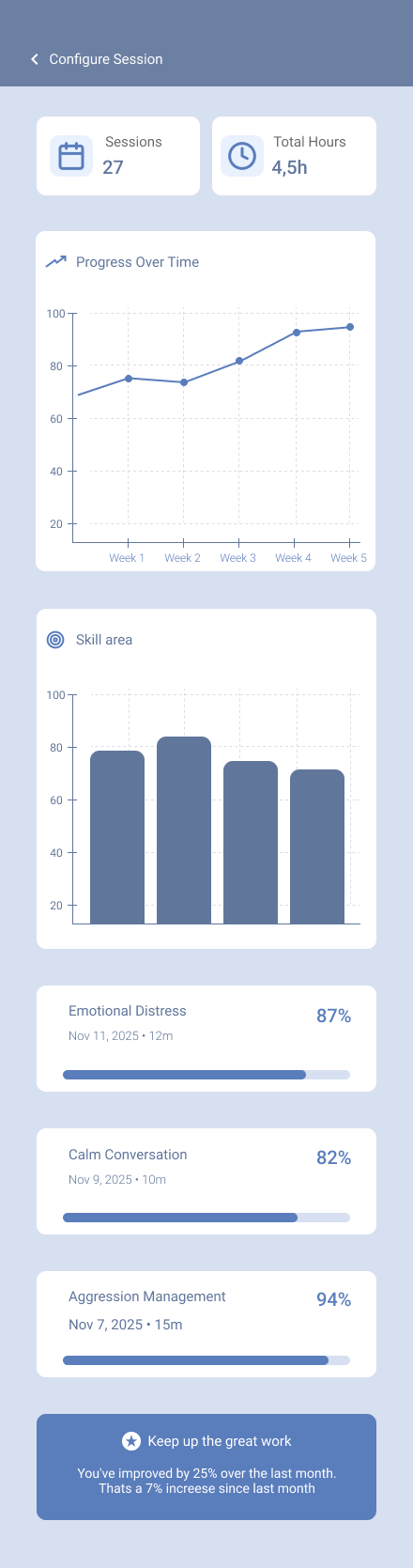
The final design includes a full session flow - from configuration to live simulation to results - plus history tracking so staff can review improvement over time. The patient character is designed to support AI-driven interaction; the UI is built around it even though the logic was out of scope.